
ELTE Research Centre for the Humanities | 1097 Budapest, Tóth Kálmán utca 4. | HU15854939

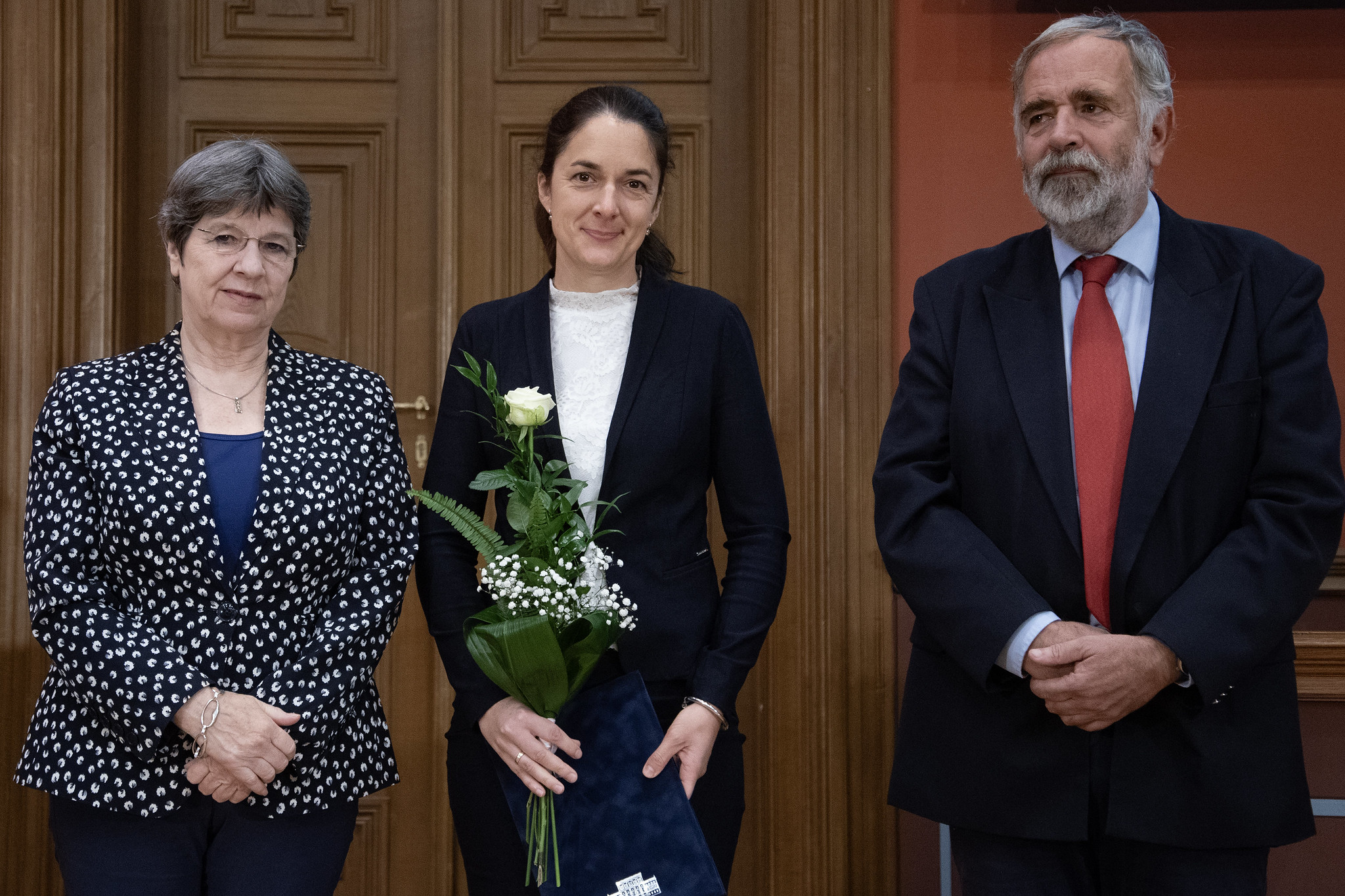
Anna Szécsényi-Nagy received the certificate for her successful application in the the MTA Lendület „Momentum” program 2023-2028
- Details
- Category: News
On September 26, 2023, the official announcement of the results of the MTA's Momentum Grant (MTA Lendület Pályázat) took place, where the winning applicants briefly presented their research projects. Among them was Anna Szécsényi-Nagy, the director of our institute outlined the interdisciplinary research plans for the emerging Momentum Bioarchaeology Research Group's project titled "Life and Death at the Edge of the Roman Civilization: Complex Bioarchaeological Analysis of Pannonian Communities”.
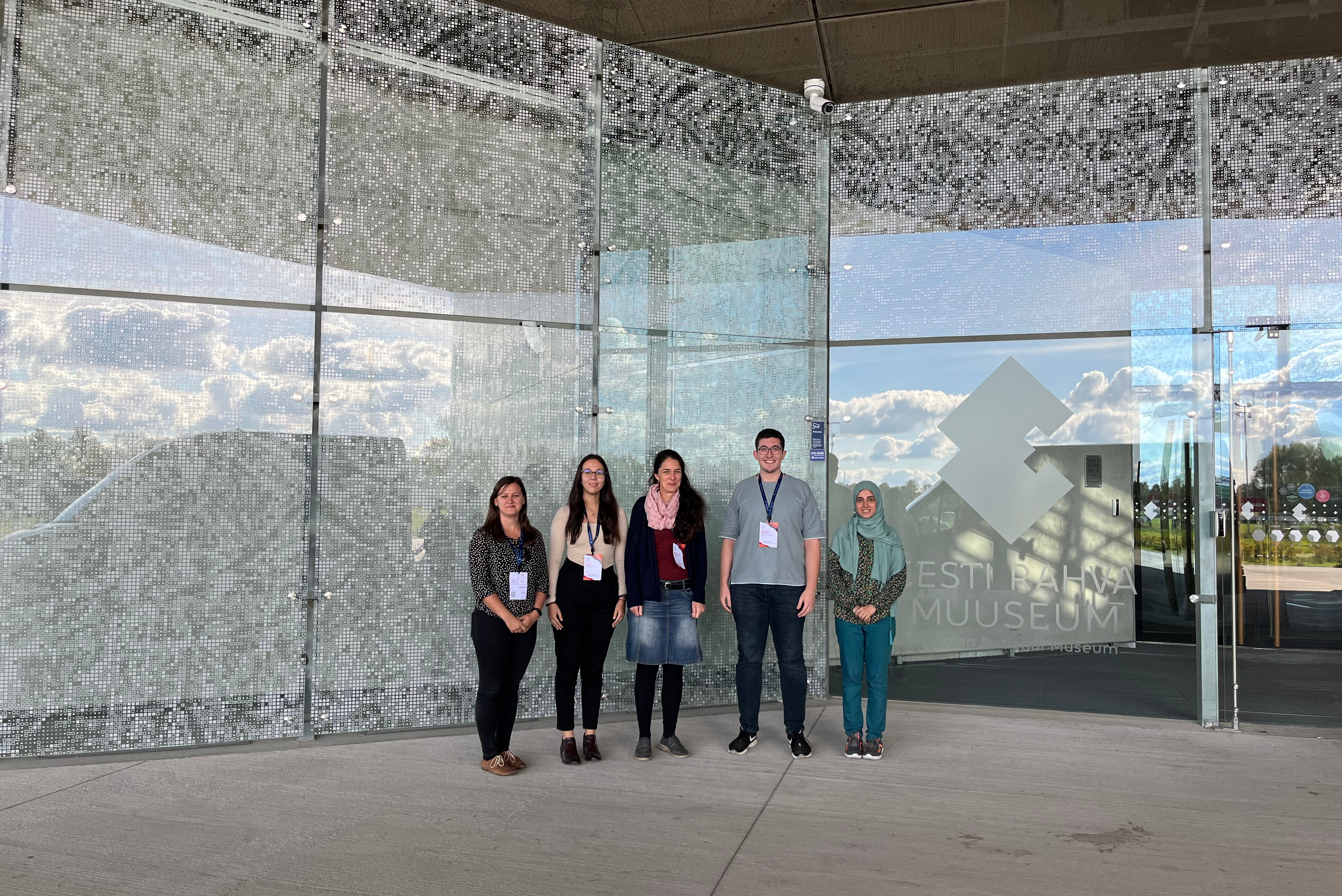
Participation of our colleagues in ISBA 2023 conference in Estonia
- Details
- Category: News
The International Society for Biomolecular Archeology (ISBA) organized the 10th ISBA conference between the 13-15th of September in Tartu, Estonia. Anna Szécsényi-Nagy, our director and five colleagues of the Institute of Archaeogenomics participated in one of the most prestigious events in the scientific field with a lecture and four posters.
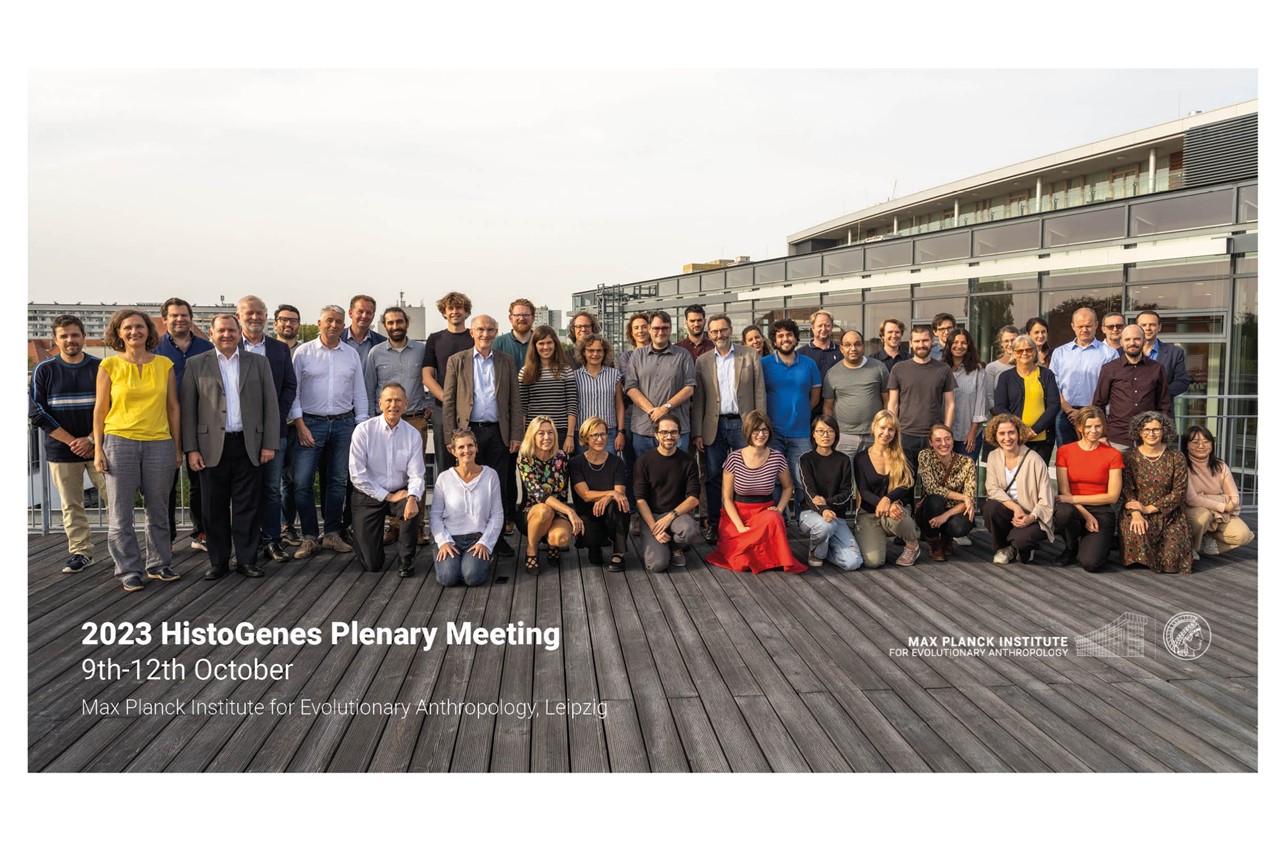
Bronze Age descendants of a previously unknown population near the Lake Balaton - new archaeogenomic results
- Details
- Category: News
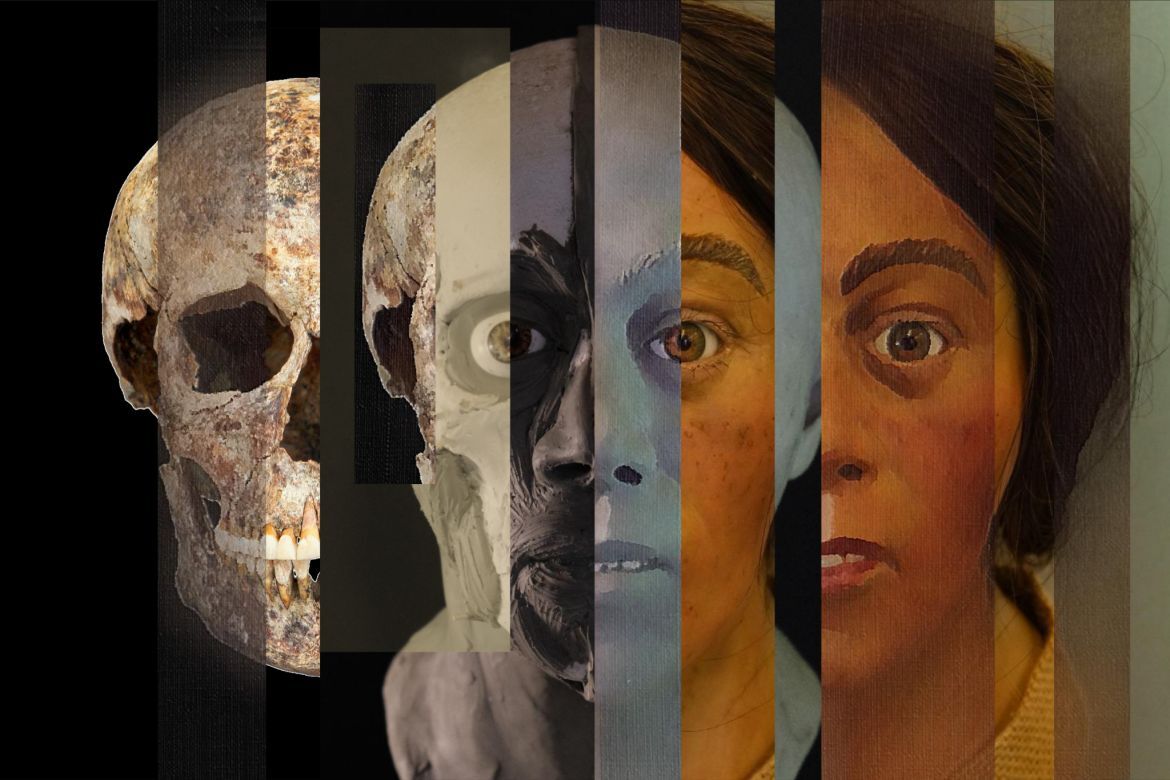
In 2003-2004, excavations on the outskirts of Balatonkeresztúr along the M7 motorway, led by Szilvia Fábián, revealed Bronze Age graves at a multi-stage site. In cooperation with the research program of the Momentum Mobility Research Group of the HUN-REN RCH Institute of Archaeology led by Viktória Kiss, the human remains from the graves were genetically analyzed by the researchers of the HUN-REN RCH Institute of Archaeogenomics. The results have recently been published in the Oxford Academic Journal of Molecular Biology and Evolution by Dániel Gerber et al.
More Articles …
Page 12 of 16

