

Over the past two months, researchers from the Institute of Archaeogenomics have presented their current and exciting findings at numerous scientific conferences both in Hungary and abroad. In this summary, we provide an overview of the talks delivered.
16–17 October – ANTROPOLOJİ VE ANTİK DNA (Anthropology and ancient DNA) Conference, Istanbul, Turkey
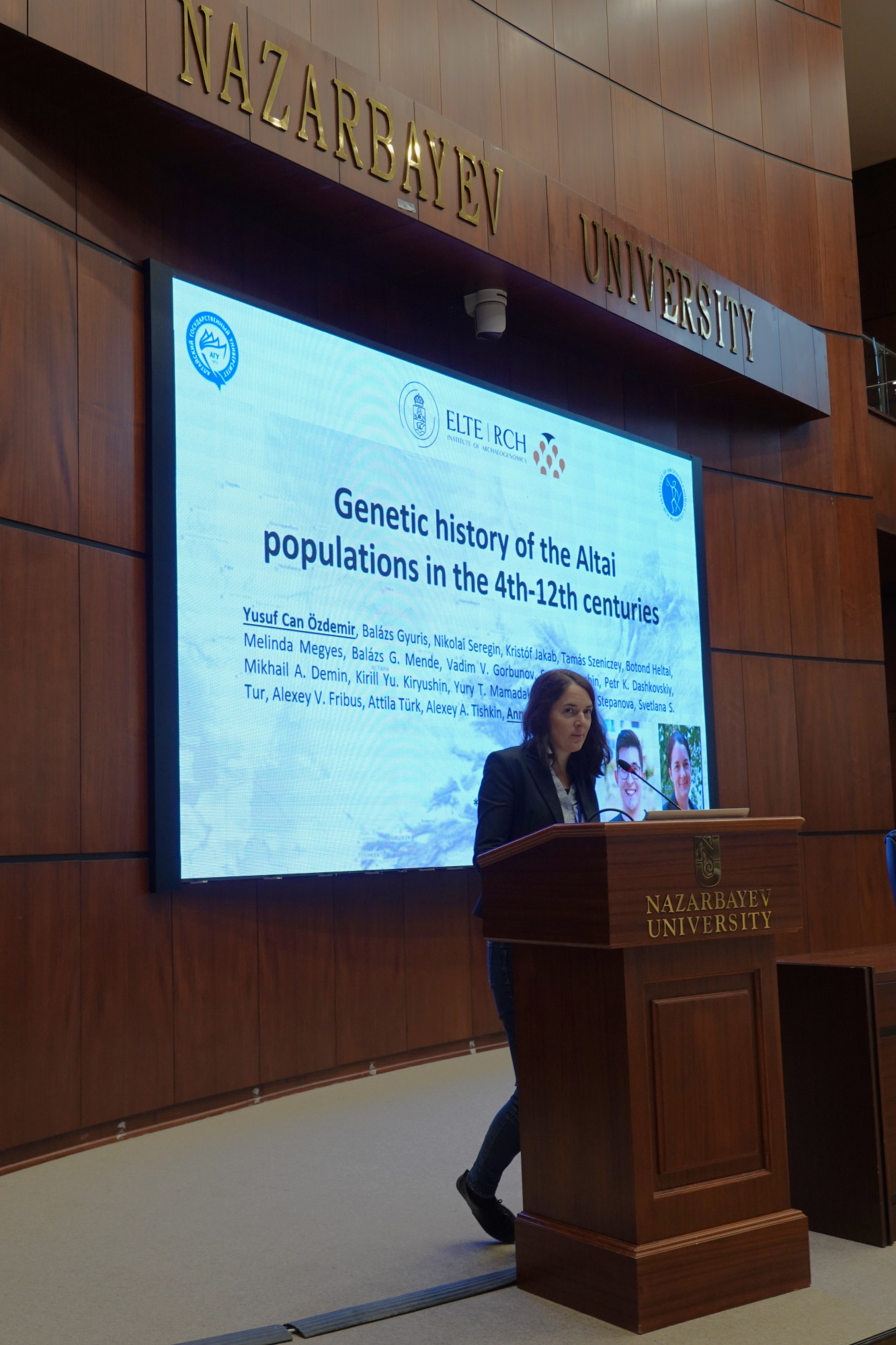
At the conference organized by the Department of Anthropology of the Faculty of Letters at Istanbul University and the Department of Genetics of the Aziz Sancar Institute of Experimental Medicine, our colleagues participated with two presentations. In her talk, through the example of genetic research on early Hungarians Anna Szécsényi-Nagy demonstrated how archaeogenomic methods can be applied to reconstruct the histories of human populations. Yusuf Can Özdemir presented the results of a research project investigating the complex genetic histories of the Medieval groups who lived in the Altai region and are traditionally affiliated to nomadic and semi-nomadic lifestyles, and their possible connections to the modern communities in the region.
The titles of their presentations are as follows:
- Anna Szécsényi-Nagy: Ancient DNA as a tool for reconstructing Population History
- Yusuf Can Özdemir: Genetic History Of The Altai Population In The 4th-12th Centuries
22–24 October – 6th International and 14th National Congress on Biotechnology, Karaj, Iran
At the congress of the Iranian Biotechnology Society, Anna Szécsényi-Nagy and Motahareh Ala Amjadi presented the findings of their study published in May 2025. According to their results, despite diverse historical events and interaction networks, the genetic makeup of populations living on the Iranian Plateau remained continuous for millennia. The project represents a significant step towards elucidating the genetic narrative of the Persian Plateau during the prehistoric and historic periods.
The title of the presentation is as follows:
- Anna Szécsényi-Nagy, Motahareh Ala Amjadi: Three millennia of genetic stability traced in Northern Iranian Plateau through ancient DNA
30 October – Conference on the Network of Relationships in the Late Avar, Carolingian, Hungarian Conquest Periods, and the Period of the Foundation of the Hungarian State, Budapest, Hungary
The conference organized by the Institute of Hungarian Research focused on the diverse results and interconnections of archaeological studies of the 5th–11th-century Carpathian Basin. Dániel Gerber presented the population-historical processes of the era as reflected by the archaeogenomic research conducted at our institute. The list of authors and title of the presentation are as follows:
- Dániel Gerber, Veronika Csáky, Bea Szeifert, Noémi Borbély, Kristóf Jakab, György Mező, Balázs Mende, Béla Miklós Szőke, Anna Szécsényi-Nagy: Népesedési folyamatok az 5-11. századi Kárpát-medencében (Population Processes in the Carpathian Basin between the 5th and 11th Centuries)


5 November – Conference on the Connection Points between Networks of Archaeological Cultures and Their Mutual Influences – Interdisciplinary Research on the Genes of Eurasian Civilization, Hungarian Natural History Museum, Budapest, Hungary
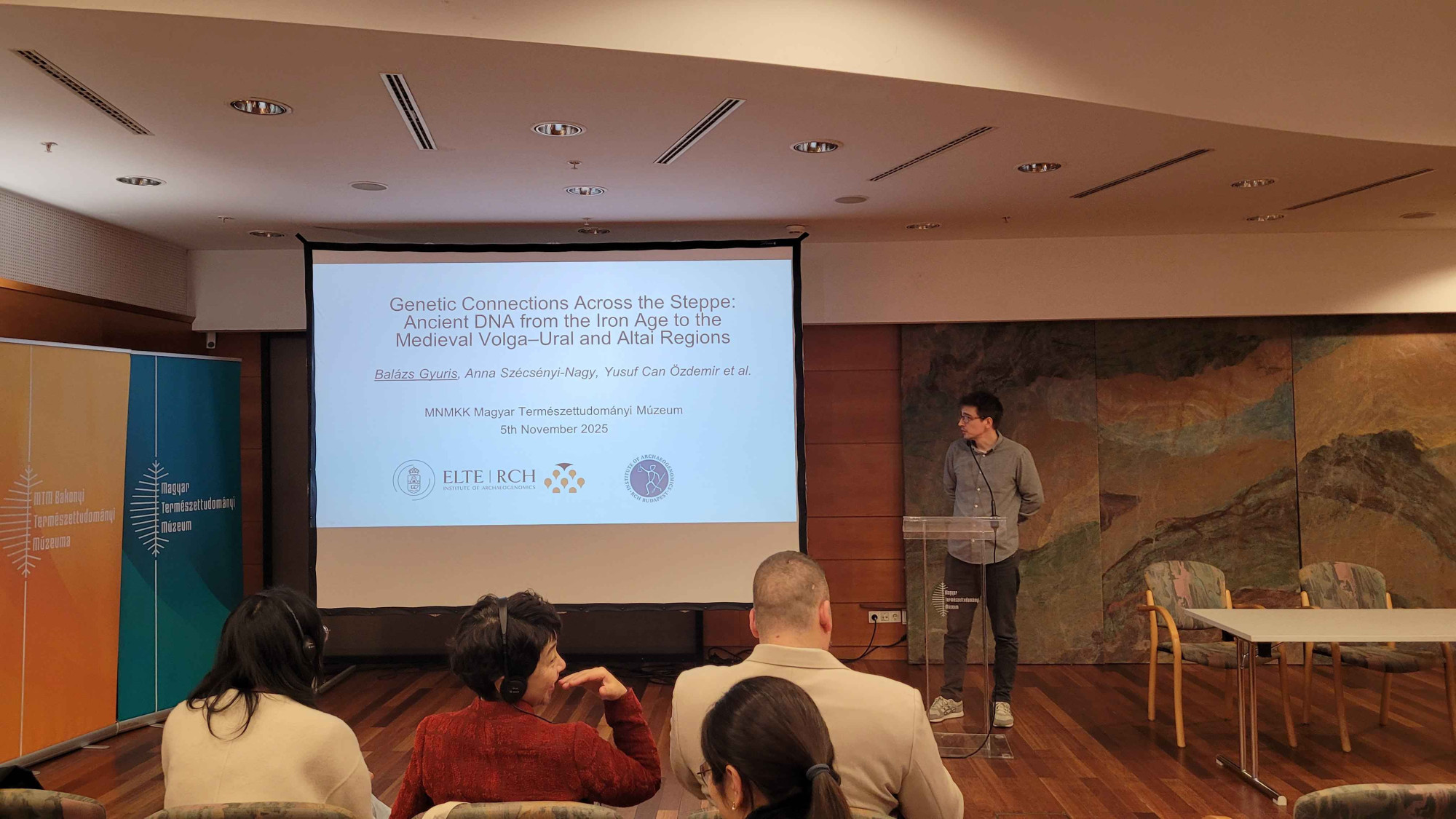
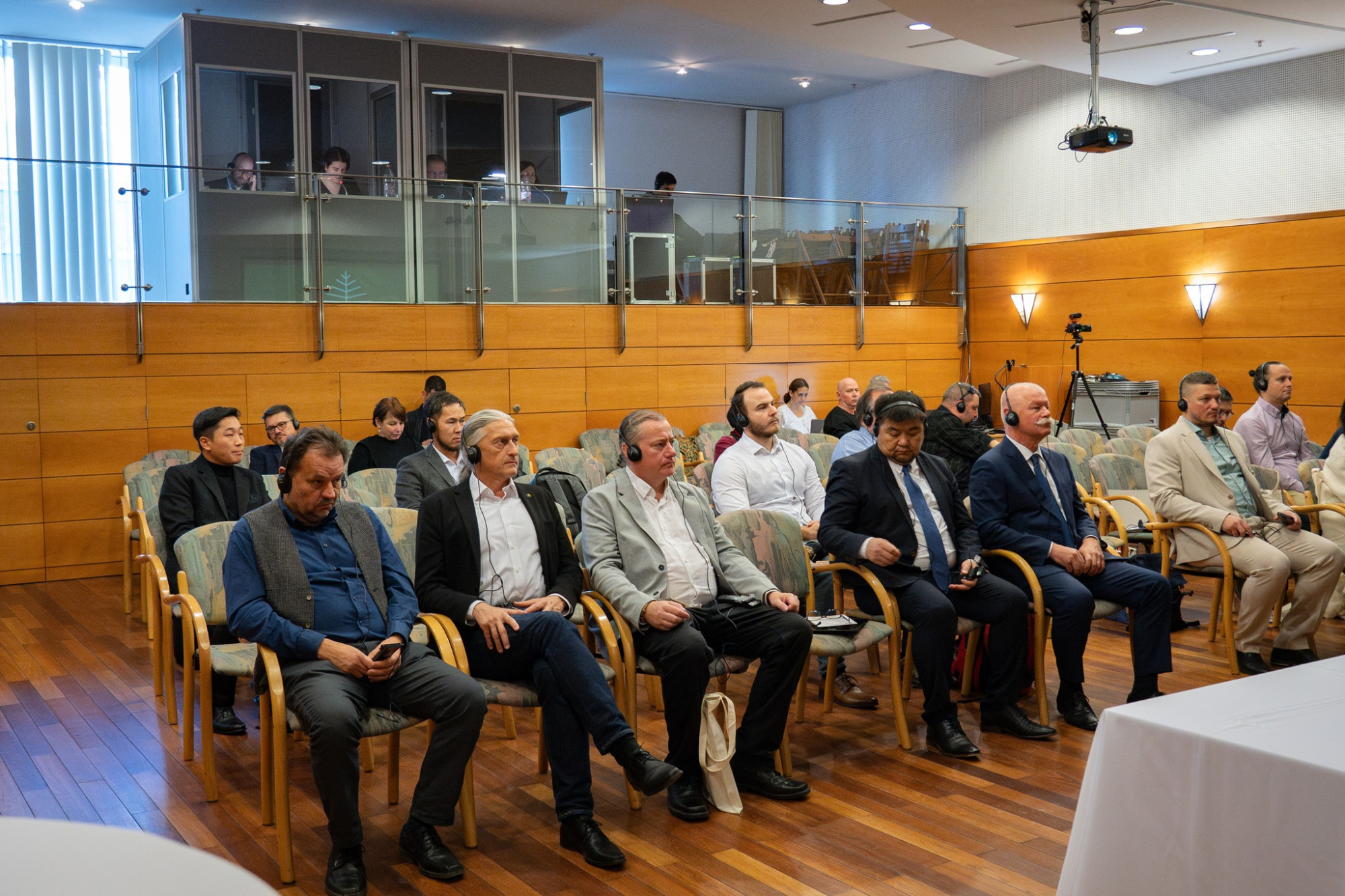
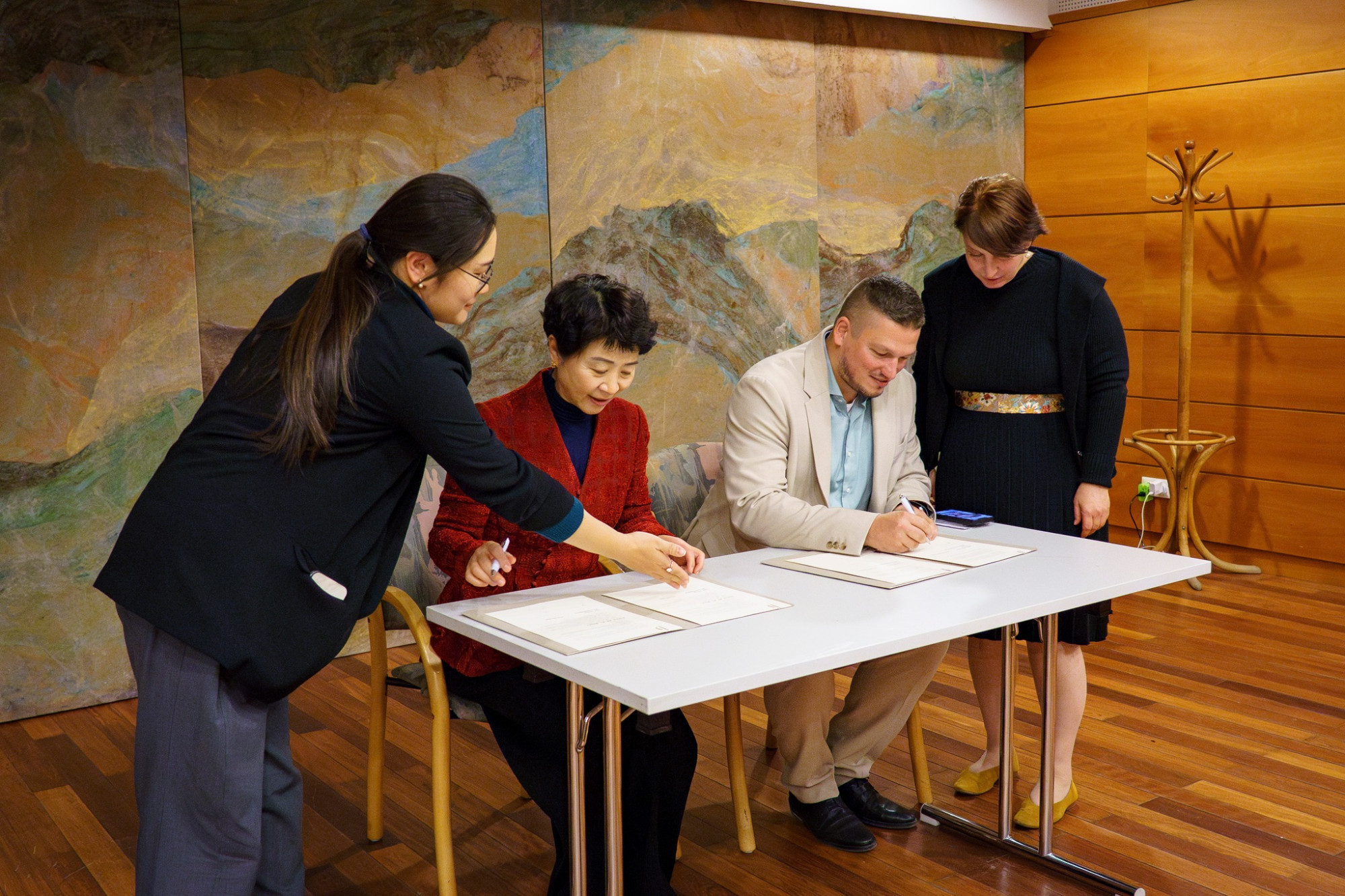
Balázs Gyuris represented the Institute of Archaeogenomics at the international conference held within the framework of the László Bárdi Hungarian–Chinese Research Program, with the attandance of Hungarian, Mongolian, Chinese, and Kazakh experts. In his presentation, he reported in part on our institue’s recently published study, which was the result of international collaboration. Using pioneering Late Iron Age and Early Medieval genetic results, the researchers identified not only the continuity of certain Uralic peoples but also one of the most important sources of the ancestry of the Hungarians (Magyars) newly settled in the Carpathian Basin. The list of authors and title of the presentation are as follows:
- Balázs Gyuris, Anna Szécsényi-Nagy, Yusuf Can Özdemir et al.: Genetic Connections Across the Steppe: Ancient DNA from the Iron Age to the Medieval Volga-Ural and Altai Regions
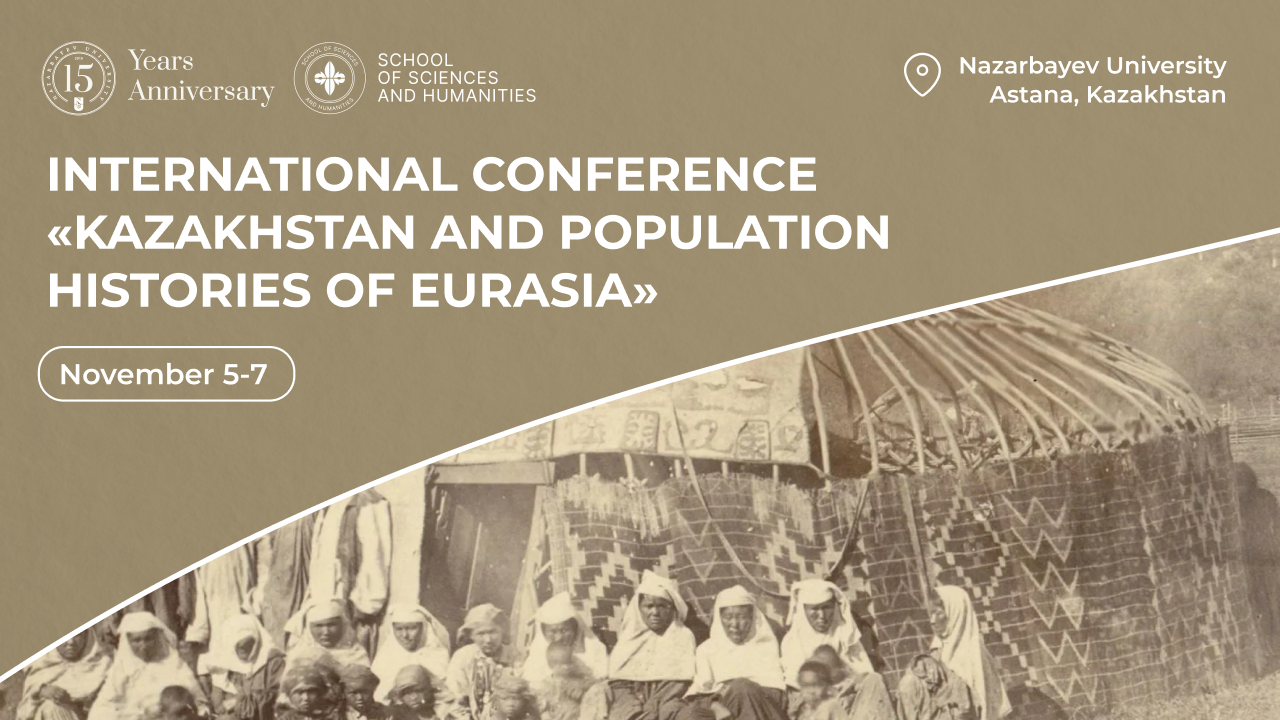
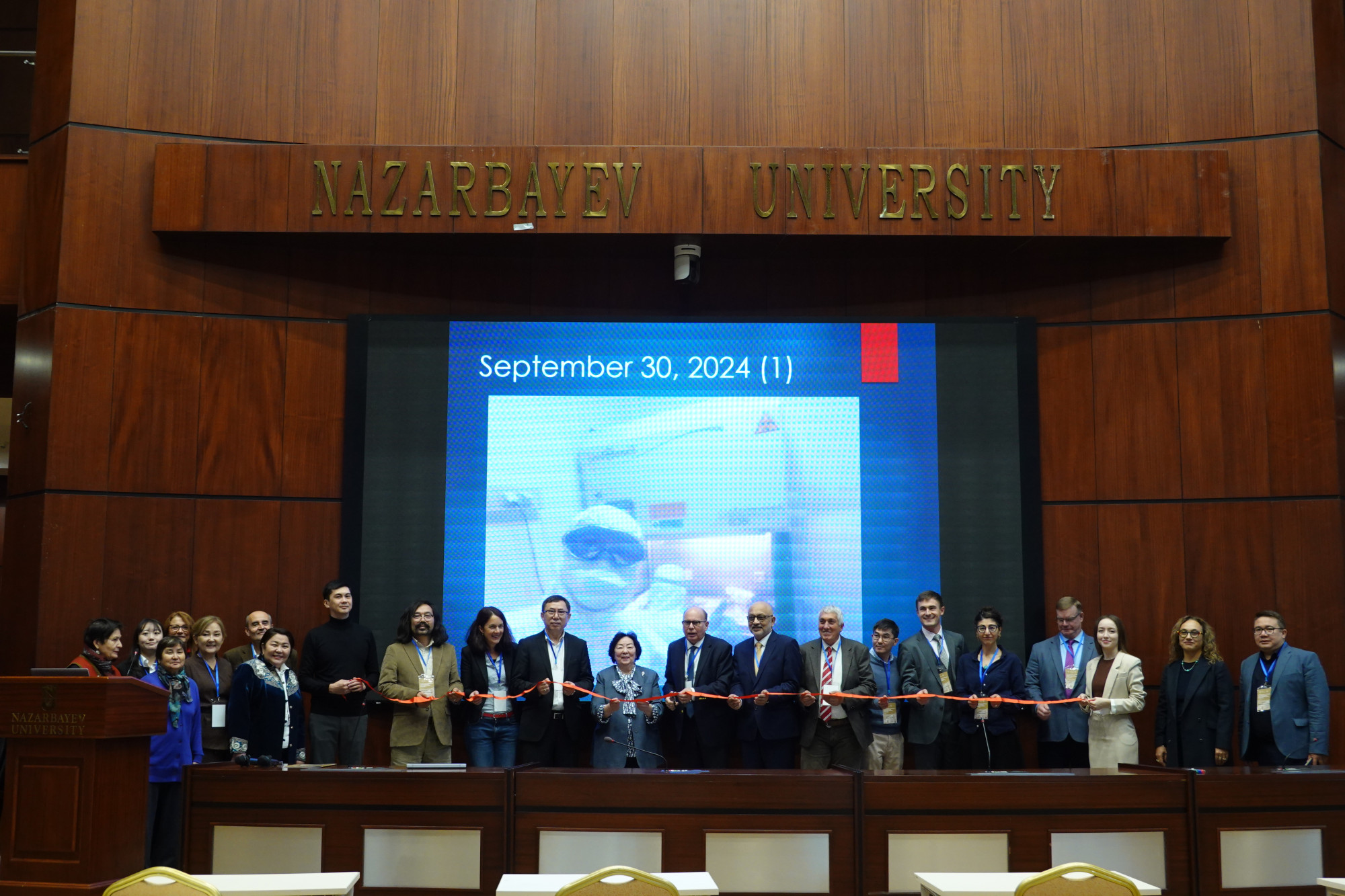
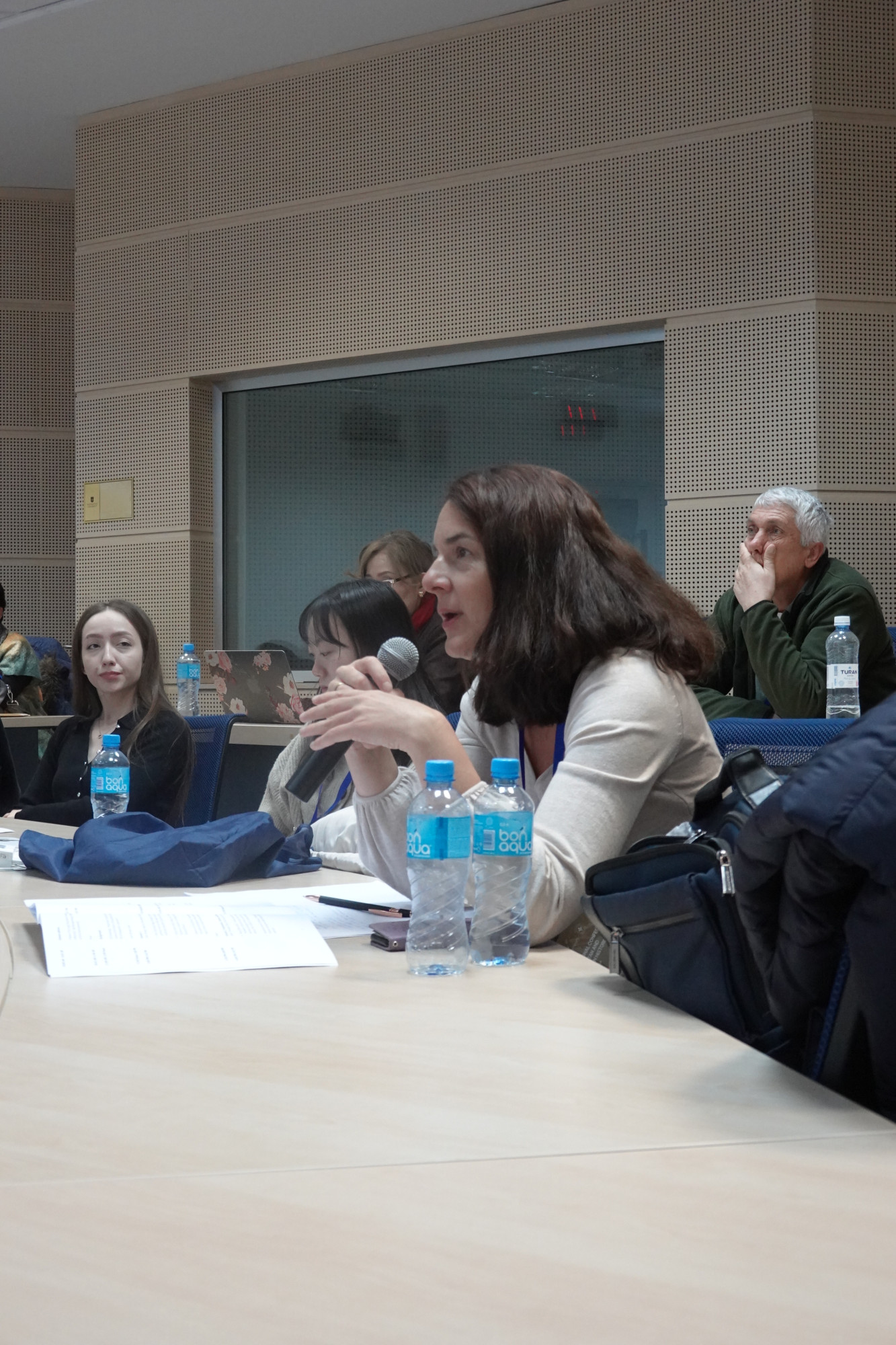
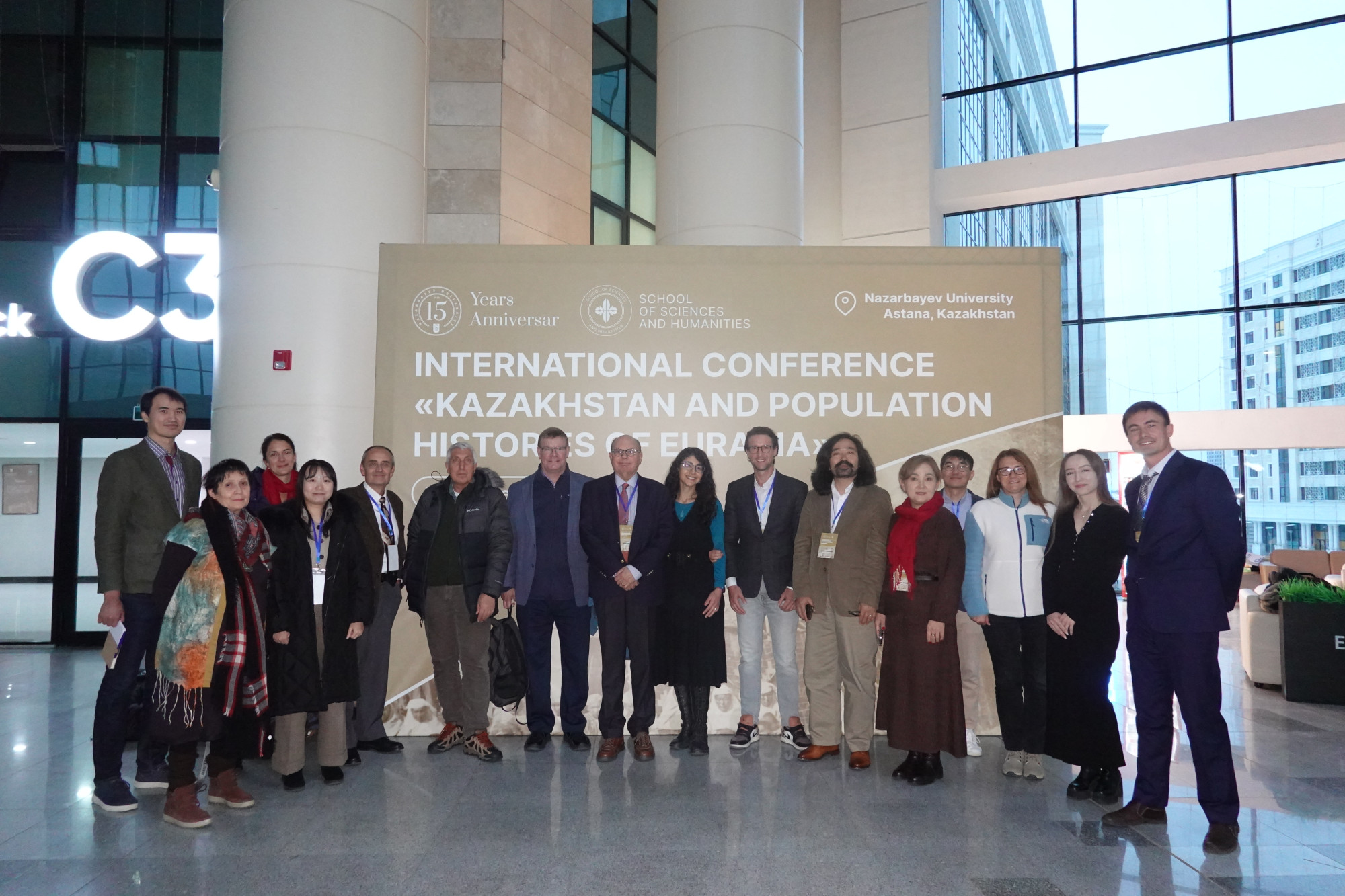
5–7 November– Kazakhstan and Population Histories of Eurasia Conference, Astana, Kazakhstan
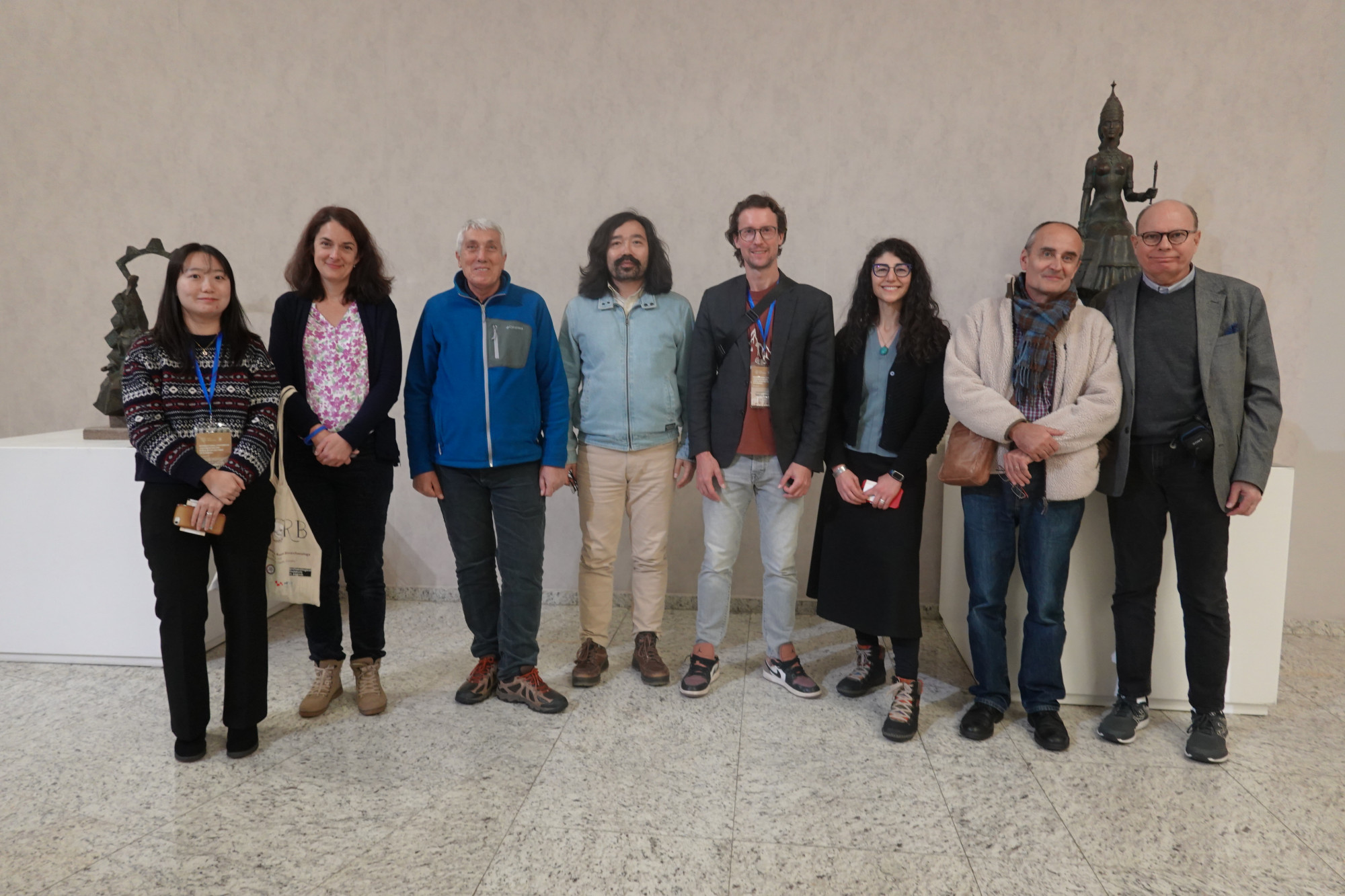
At the international conference and strategic scientific meeting held at Nazarbayev University in the Kazakh capital, Anna Szécsényi-Nagy presented insights into the previously mentioned genetic research project examining the Altai region.
The title of the presentation is as follows:
- Anna Szécsényi-Nagy et al.: Ancient genomes from the Altai region reveal population continuity and shifts in the 4th-12th centuries
11–13 November – Molecular Diagnostics – MDx Conference, Moscow, Russia
The remains of Prince Béla, former Ban of Macsó and member of both the Árpád and Rurik dynasties were identified by an international research project led by Hungarian scientists. The study, published in October 2025, has attracted wide attention in both Hungarian and international media. Anna Szécsényi-Nagy and Noémi Borbély, who were responsible for the genetic analyses, reported via online presentation at a Moscow conference on how the research team succeeded in solving a century-old archaeological and historical question.
The title of their presentation is as follows:
- Anna Szécsényi-Nagy, Noémi Borbély et al.: Integrating Forensic Genetics and Bioarchaeology in the Identification of the Skeletal Remains of Béla, Duke of Macsó (c. 1245–1272)
14 November – MABIT Bioinformatics 2025 Conference, Budapest, Hungary
At the scientific conference of the Hungarian Society for Bioinformatics (MABIT), Balázs Gyuris presented the results of the aforementioned study confirming the Uralic origins of part of the 10th-century Hungarians (Magyars). Dániel Gerber outlined the major milestones, significance, and methodological challenges of the archaeogenomic research on one of the most historically transformative domesticated animal species—the horse. The list of authors and titles of the presentations are as follows:
- Balázs Gyuris, Leonid Vyazov, Attila Türk, Anna Szécsényi-Nagy: Possible Applications of the Latest Archaeogenomic Methods in Research on Early Hungarian History
- Dániel Gerber, Botond Heltai, Kristóf Jakab, Anna Szécsényi-Nagy: Perspectives and Challenges in the Study of Archaic Horse Genomes

